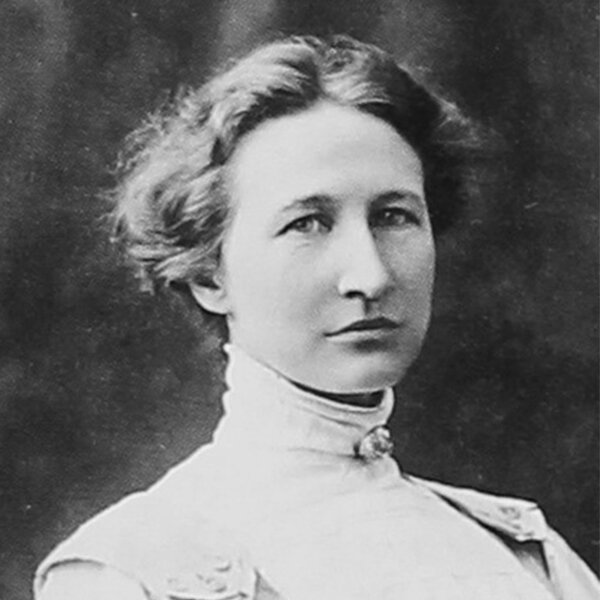
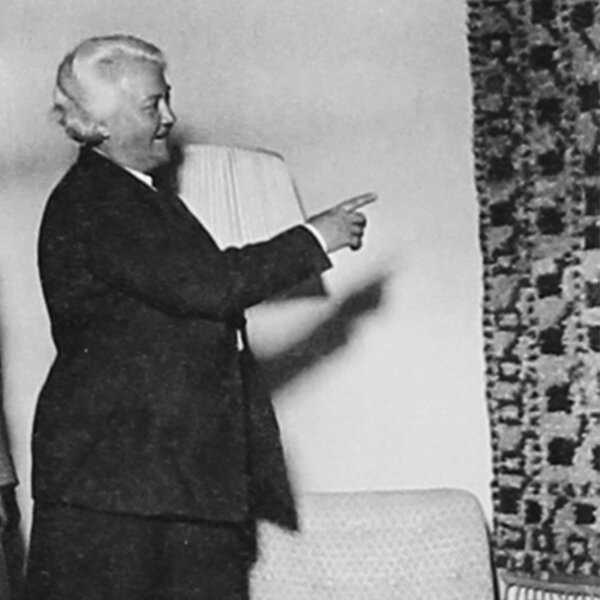
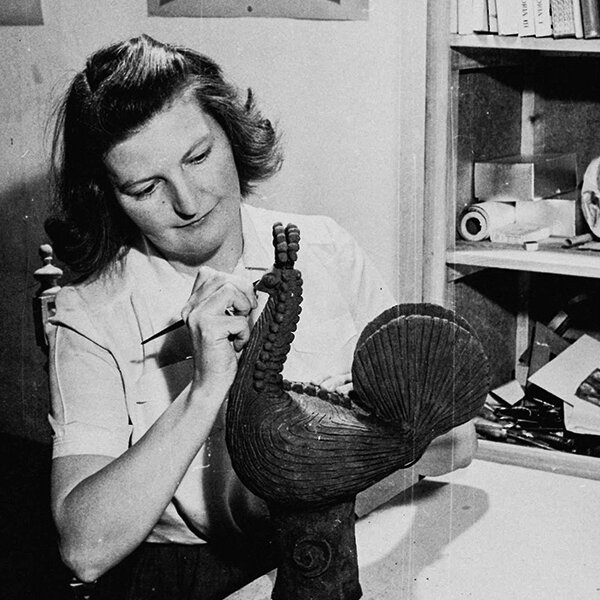
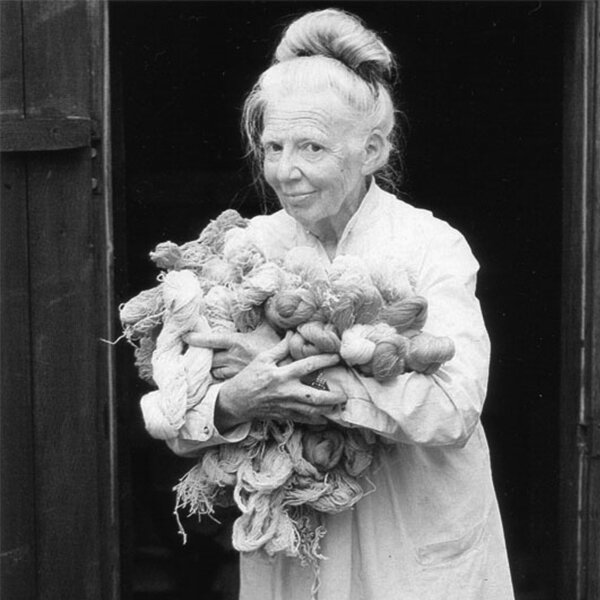
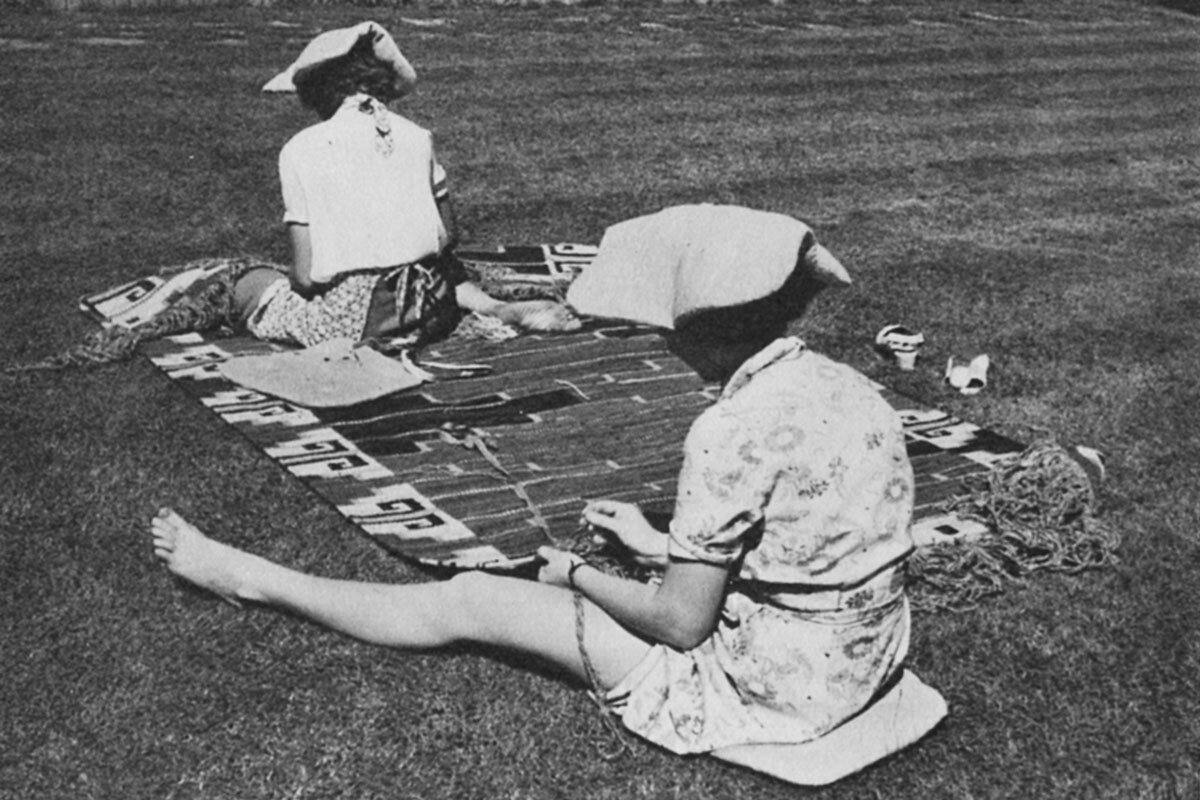
Sweden has a long and rich textile heritage, produced domestically by women. At the turn of the 19th century, several initiatives were made to formalize and preserve local knowledge and traditions. Lilli Zickerman (1858–1949), initiator of the National Association of Swedish Handicraft Societies, had an ambitious plan. Together with her brother, she photographed and hand-colored almost 24,000 Swedish textiles, immortalizing a great archive of rural pieces. Zickerman, striving to strengthen a national textile heritage, wanted to create an alternative to the imported Persian rugs favored in aristocratic homes. She saw potential in Märta Måås-Fjetterström, the art teacher and illustrator who had been fired from the local handicraft association, and encouraged her to continue to work with textiles. Zickerman made a weaving school and a workshop with skilled weavers available to Måås-Fjetterström who started creating designs for carpets and tapestries. Persian rugs were an obvious influence, but the motifs and colors distinctly her own.
“She is a remarkable storyteller, (...) who finds her inspiration in legends and meadows, in the Orient and the North, in ancient beliefs and fresh green leaves, in the Bible and buildings, in everything that causes the imagination to bloom…” explains Erik Wettergren
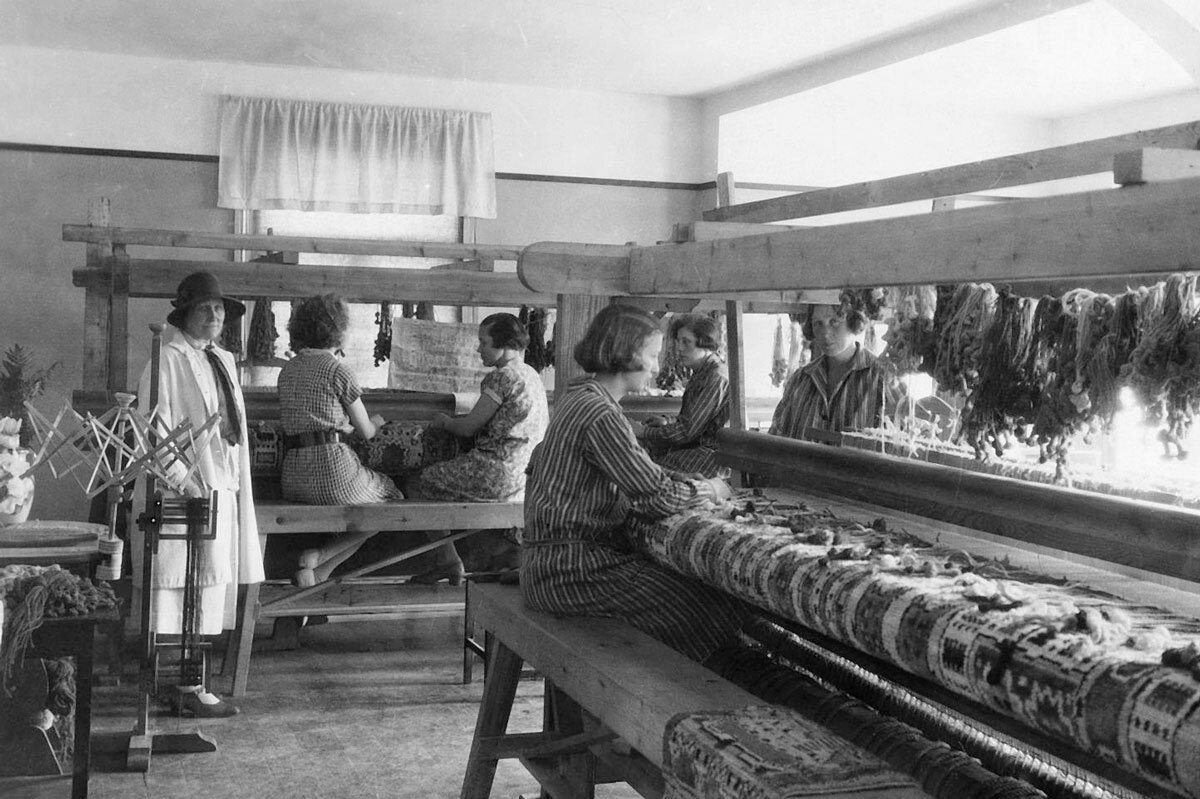
In 1919, Märta Måås-Fjetterström finally set up her own studio in Båstad, Sweden. Employing young, skilled weavers she expanded and established herself as a leading name in handwoven pieces. It was not always easy; the interwar period saw strict limitations on the access to quality materials, a “luxury tax” was applied to pieces from the studio and it was a constant struggle to combine the demands of business with the longing for more time as an artist. Nonetheless, an industrious and strong-willed woman, Måås-Fjetterström and her designs frequently traveled around Europe and the United States. She exhibited with great success in London, Paris, Brussels, Milan, New York and Chicago, amongst other places.
Måås-Fjetterström had the idea that her designs should be repeatedly executed. She likened herself with a composer and the weavers with the musicians. Just as a piece of music should be good enough to be played over and over, so should the designs of a carpet. And although there are very detailed instructions for each design, each piece varies slightly depending on the weaver, just as a piece of music varies with the musician.
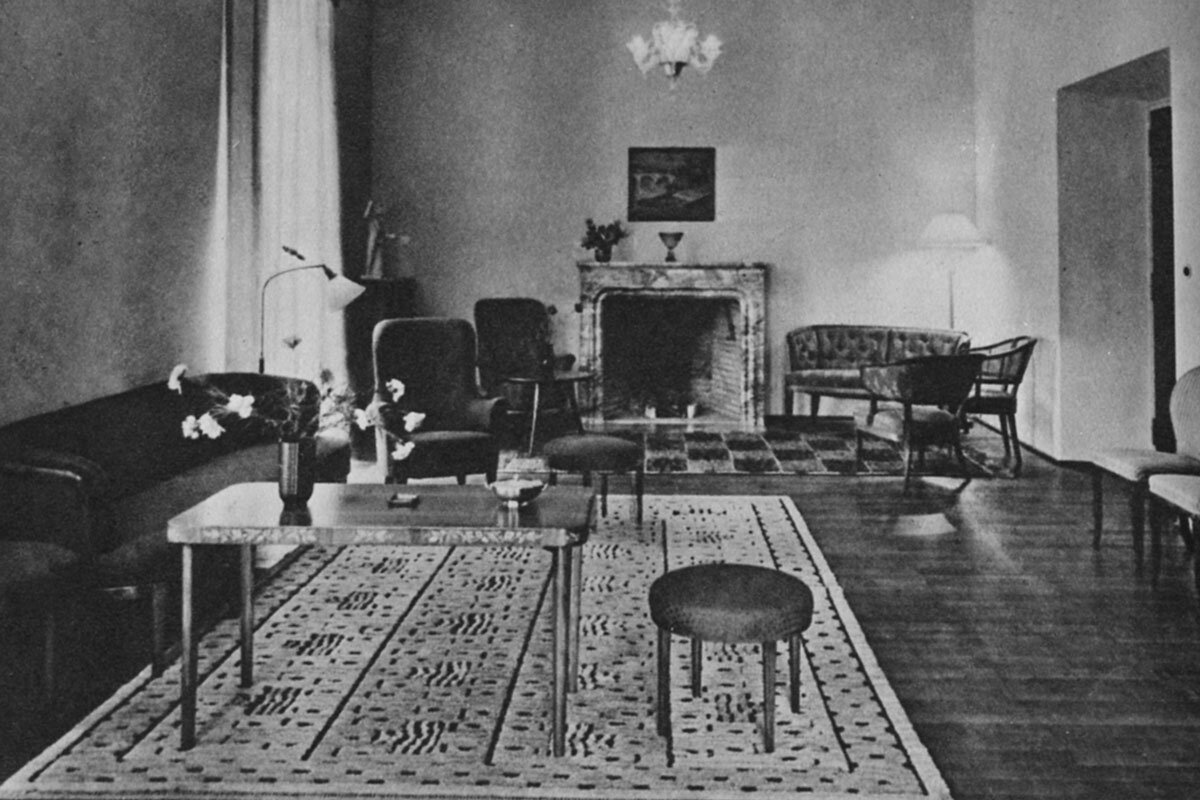
Måås-Fjetterström's designs continuously changed with time and inspiration came from myriad sources. “She is a remarkable storyteller, (...) who finds her inspiration in legends and meadows, in the Orient and the North, in ancient beliefs and fresh green leaves, in the Bible and buildings, in everything that causes the imagination to bloom…” explains Erik Wettergren, curator and then later the director of Nationalmuseum. Inspired by 1930s modernistic and functionalistic architecture, Måås-Fjetterström created several designs in which line and shape come together in a refined way, using very few colors. In other works she uses a multitude of hues to capture scenes inspired by nature.
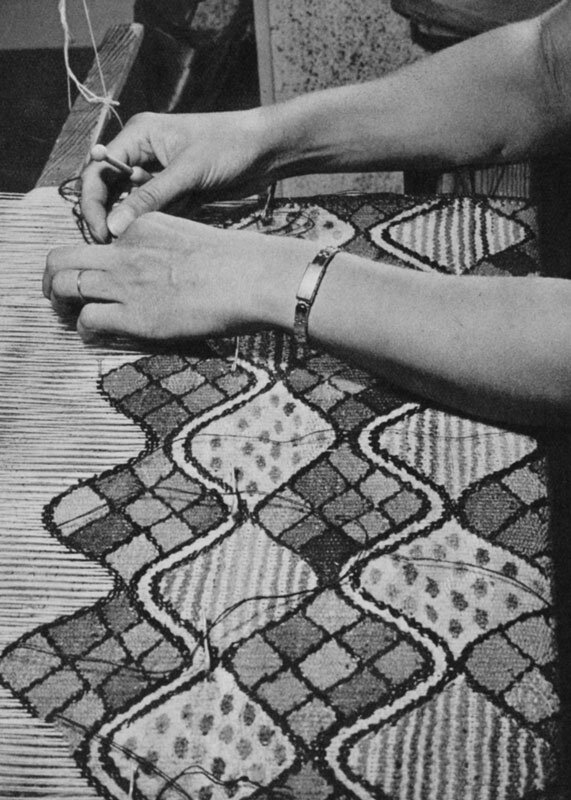
Måås-Fjetterström's studio had a large window facing the sea; yet maritime motifs are one of few things rarely found in her designs. In contrast, Barbro Nilsson (1899-1983) — who took over the artistic leadership of the studio after Märta Måås Fjetterström's death in 1941 — loved the sea. Many of her much cherished designs have names evoking their inspiration, e.g. Shells, Seaweed, and Sole. To allow for softer shapes in flatweave carpets, Nilsson invented a specialized woven technique. Today, our artisan weavers still use her unique, tapestry-inspired weave.
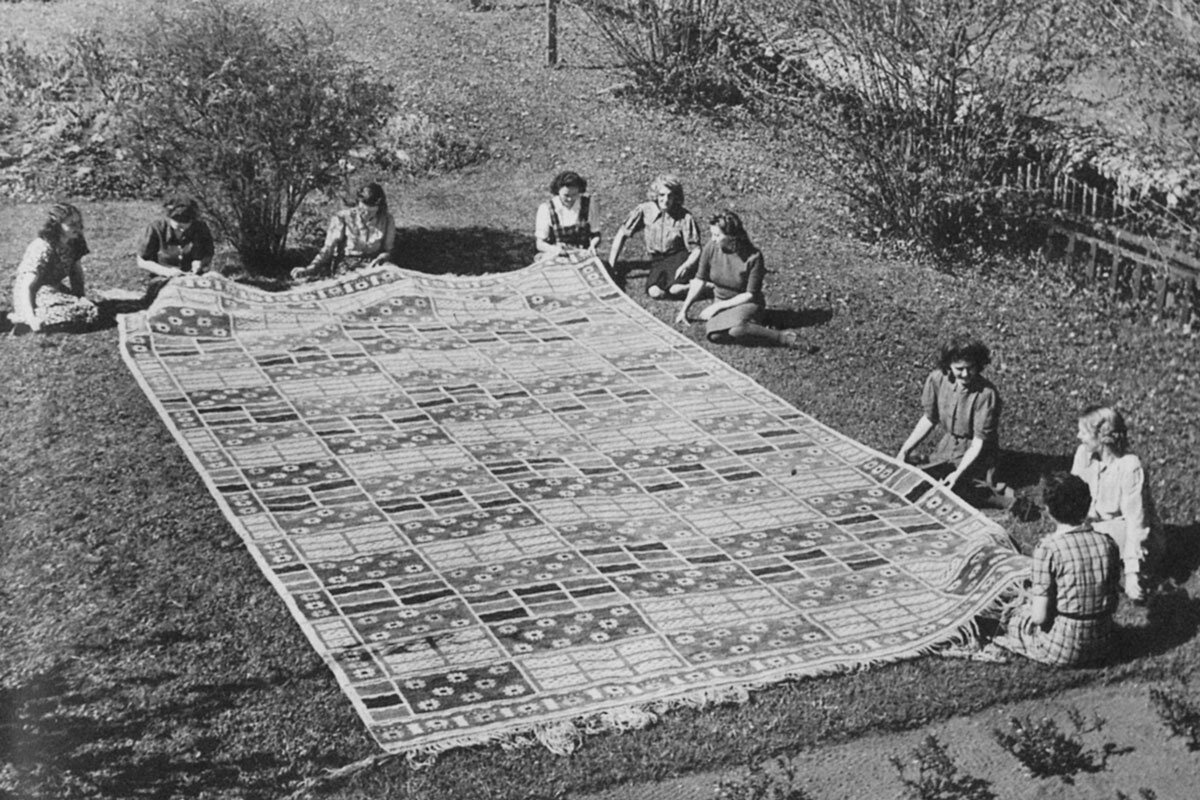
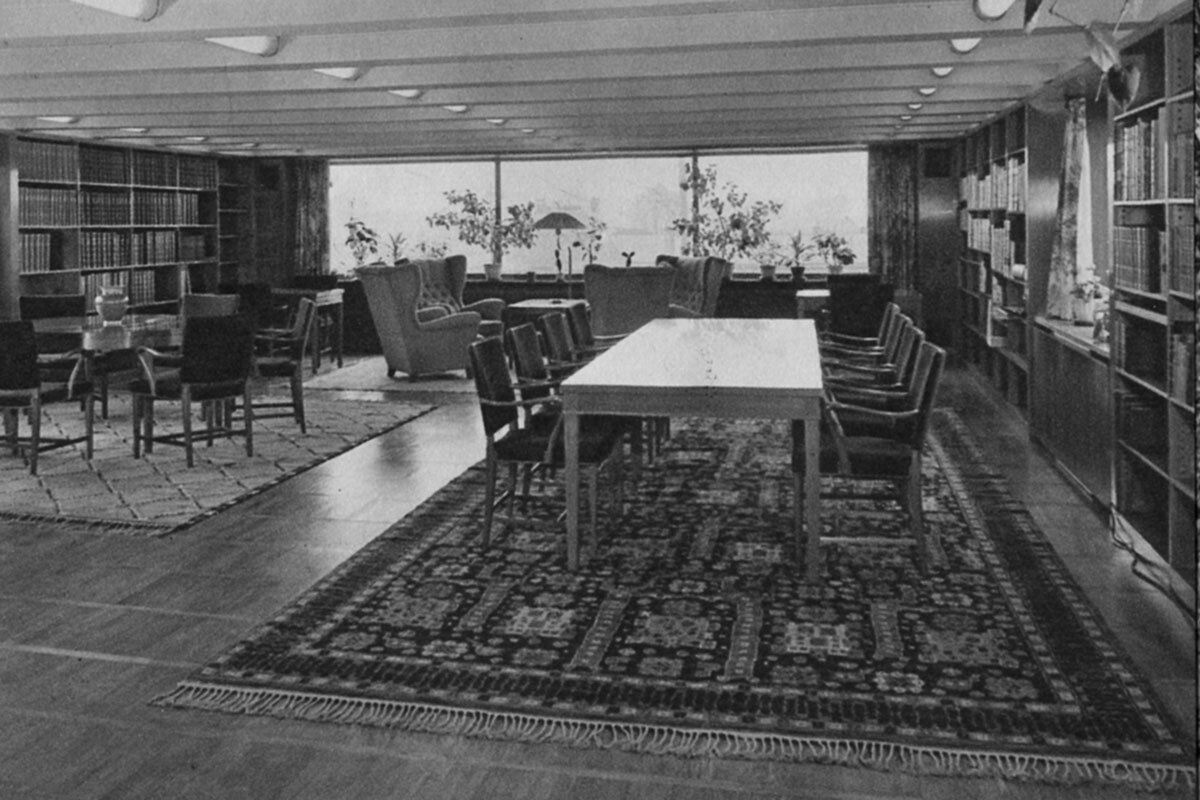
Barbro Nilsson's designs for the Märta Måås-Fjetterström Workshop were suitable for variations in size and color. Also a professor at Konstfack, Stockholm (University College of Arts, Crafts and Design), she found and connected young talents, notably Marianne Richter (1916–2010) and Ann-Mari Forsberg (1916–1992) to the studio, introducing completely new aesthetics radically different from earlier pieces. Parallel with the continued weaving of Måås-Fjetterström's by then classic designs, many new and prestigious works were made for public institutions and corporations. The largest piece ever made was commissioned for the United Nations building in New York, delivered in 1952. Ten weavers worked more than a full year completing the almost 2,200 square foot wall hanging, which at the time was the largest known tapestry in the world.