


A Legacy of Innovation
& Excellence in Textile Design
By Martin Chard, International Executive at Märta Måås-Fjetterström
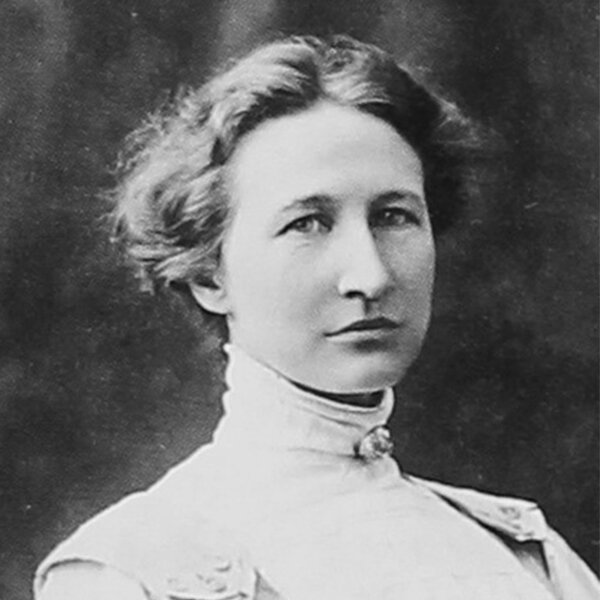
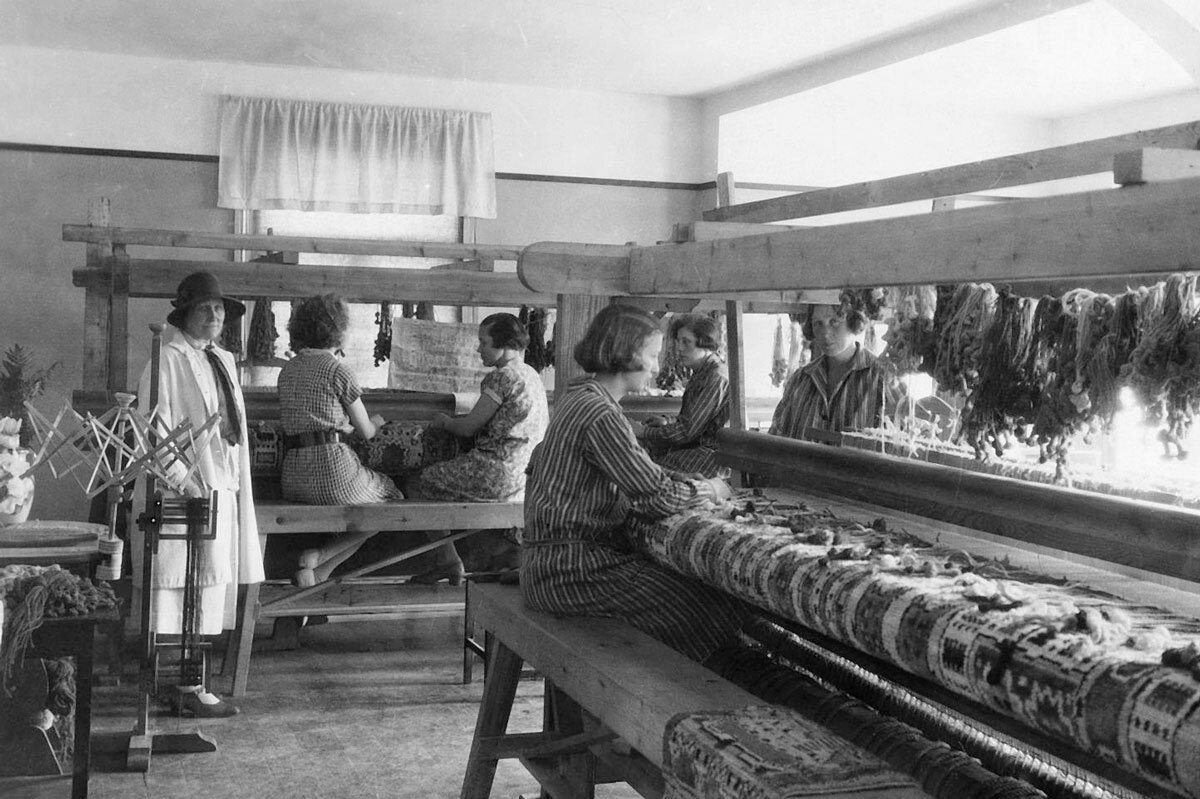
Solid, simple and beautiful. In an essay from 1905, Märta Måås-Fjetterström (1873–1941) defined her ambitions for Swedish handicrafts while heading the Malmö Handicraft Association; living and working in a time of great change, with an ambivalence between the possibilities of modernity and mass production and a fear for a loss of identity and traditional knowledge, she had a vision for new designs rooted in the rich heritage of Swedish folklore but combined with contemporary and new influences. Her ideas did not find fertile ground at the Malmö Handicraft Association, an association mainly interested in reproducing old designs, and Måås-Fjetterström was subsequently let go. A great blow to Måås-Fjetterström at the time, but it would later prove to be a stroke of luck.
Women of the Workshop
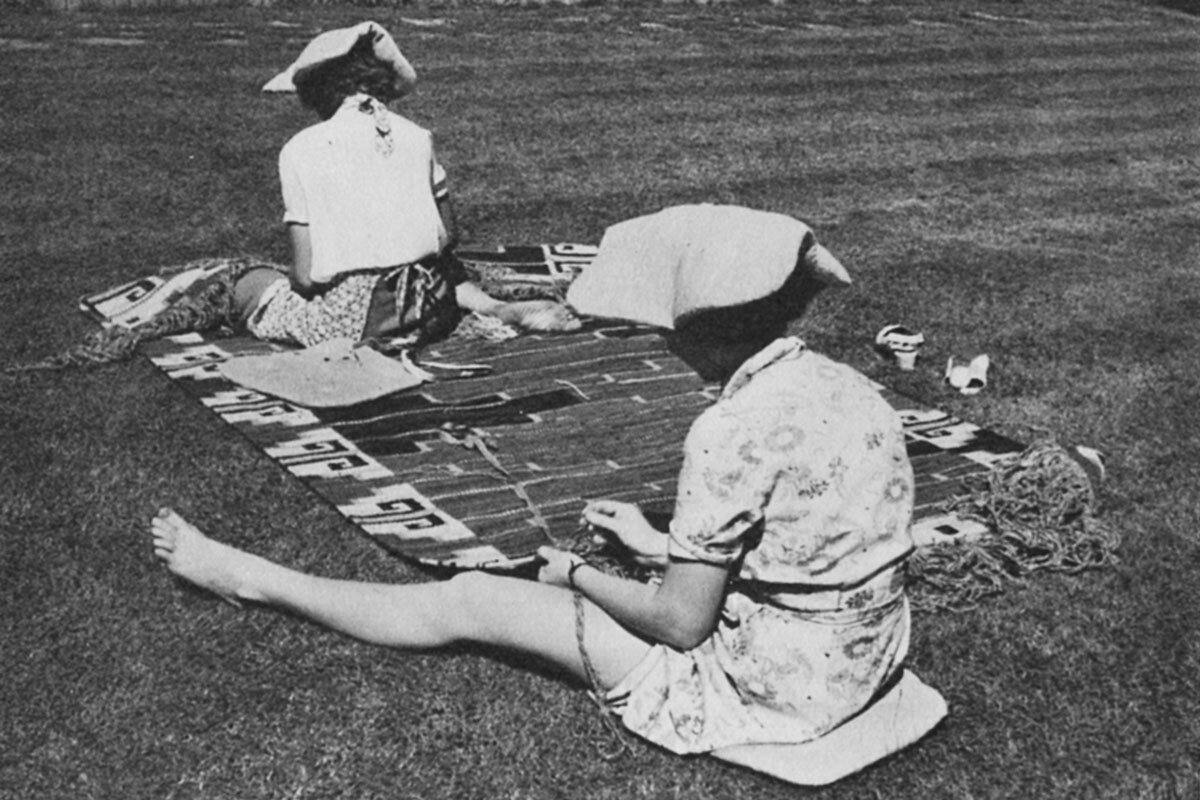
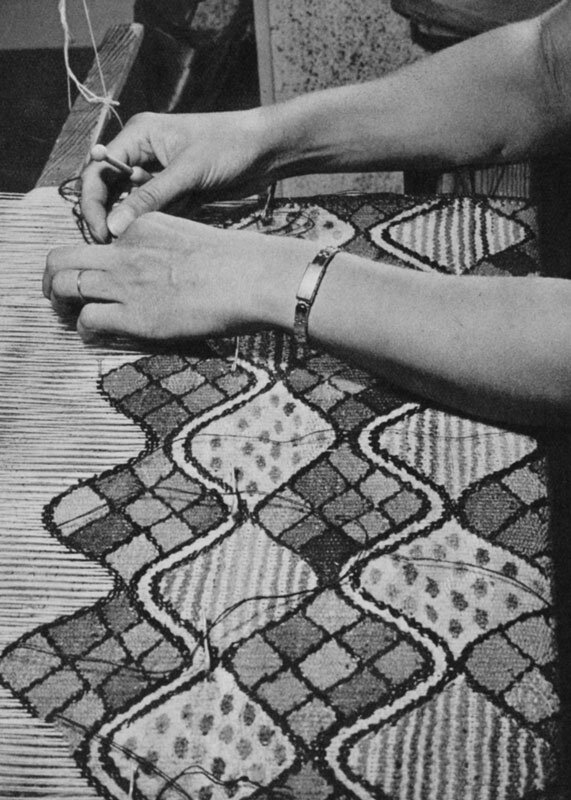

Nader Bolour is the man behind the remarkable offerings in this sale. Bolour’s destiny was wrapped in the luxurious world of carpets. He grew up around them, his grandfather establishing Rahim Bolour & Son Carpets in Iran before the family relocated to London in 1979 where, as a boy, Bolour worked in his father’s warehouse sweeping and cleaning carpets. In 1998, just three years after establishing his presence in New York, Bolour acquired the venerable gallery Doris Leslie Blau.
The Doris Leslie Blau gallery was founded in 1965 by Doris Blau, who became a legend in the world of design for her outstanding collection of avant-garde and antique carpets from around the globe. Blau likened carpets to sculpture appreciating their tactile and sensual nature, inviting clients into a homey gallery where they could take their time in selecting the perfect carpet for their homes.
With a keen eye and wealth of knowledge, Bolour continues in the footsteps of his renowned predecessor, offering exceptional carpets as well as creating bespoke rugs that are certain to become the classics of tomorrow.


Marianne Richter 1916–2010
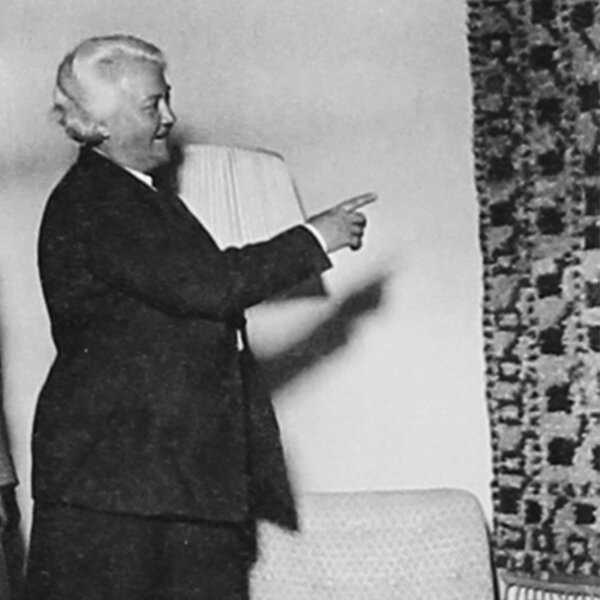
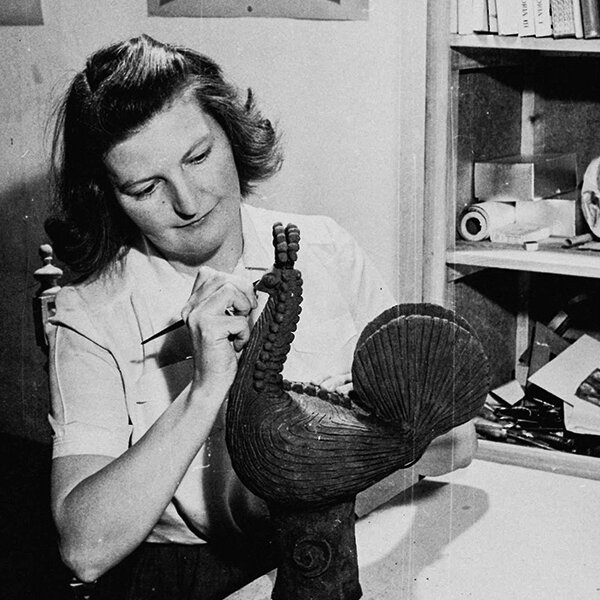
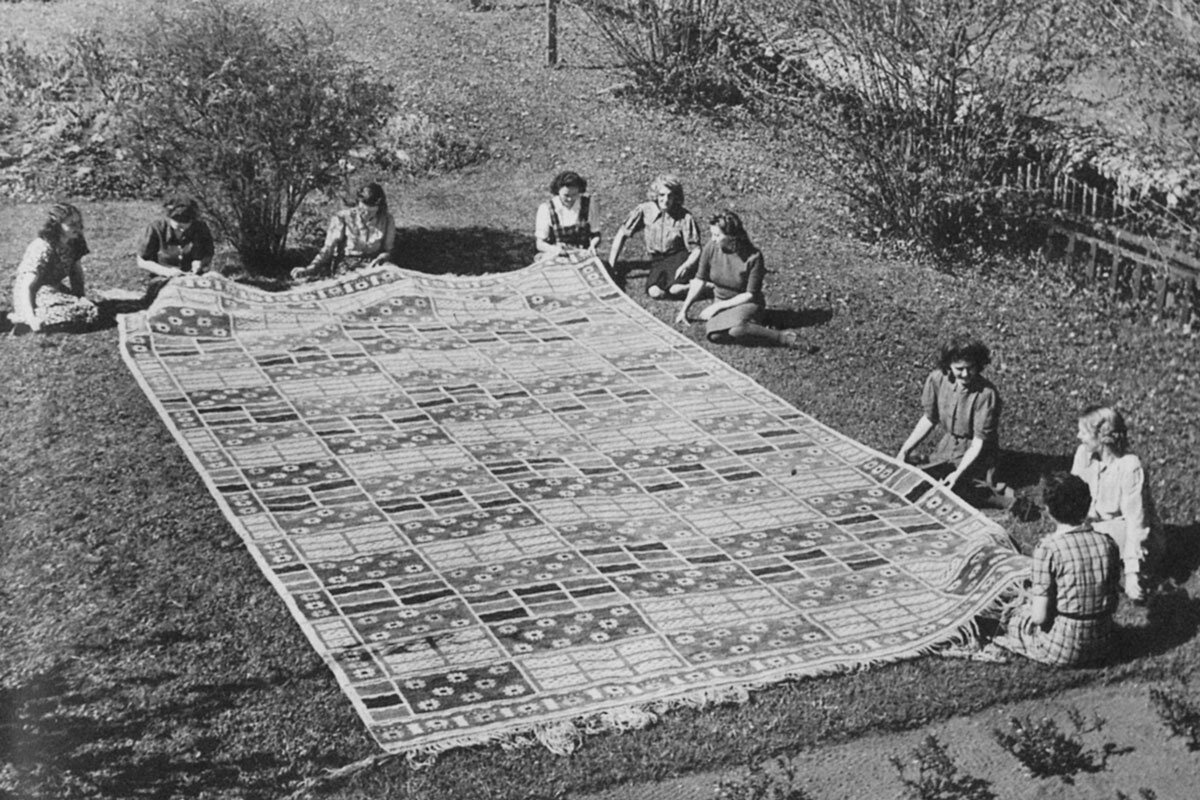
Marianne Richter began working as a textile and ceramic artist after completing her studies at Konstfack, Stockholm (University of College of Arts, Crafts and Design). Introduced to the Märta Måås-Fjetterström workshop in 1942 by Barbro Nilsson, Richter’s intensely colorful designs standing out among the studios remarkable output. Richter was responsible for the impressively scaled, wall-hanging –the largest known tapestry in the world at the time–designed for the United Nations, New York in 1950. Several of her other designs were acquired by museums such as the Nationalmuseum, Stockholm.


113
