


A Legacy of Innovation
& Excellence in Textile Design
By Martin Chard, International Executive at Märta Måås-Fjetterström
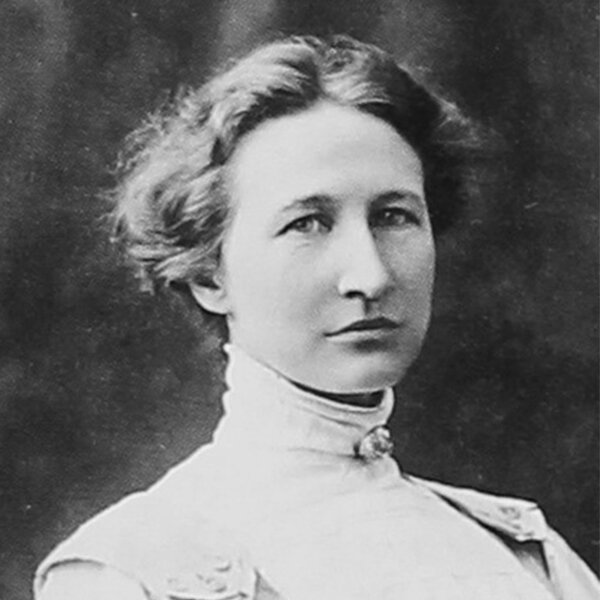
Solid, simple and beautiful. In an essay from 1905, Märta Måås-Fjetterström (1873–1941) defined her ambitions for Swedish handicrafts while heading the Malmö Handicraft Association; living and working in a time of great change, with an ambivalence between the possibilities of modernity and mass production and a fear for a loss of identity and traditional knowledge, she had a vision for new designs rooted in the rich heritage of Swedish folklore but combined with contemporary and new influences. Her ideas did not find fertile ground at the Malmö Handicraft Association, an association mainly interested in reproducing old designs, and Måås-Fjetterström was subsequently let go. A great blow to Måås-Fjetterström at the time, but it would later prove to be a stroke of luck.
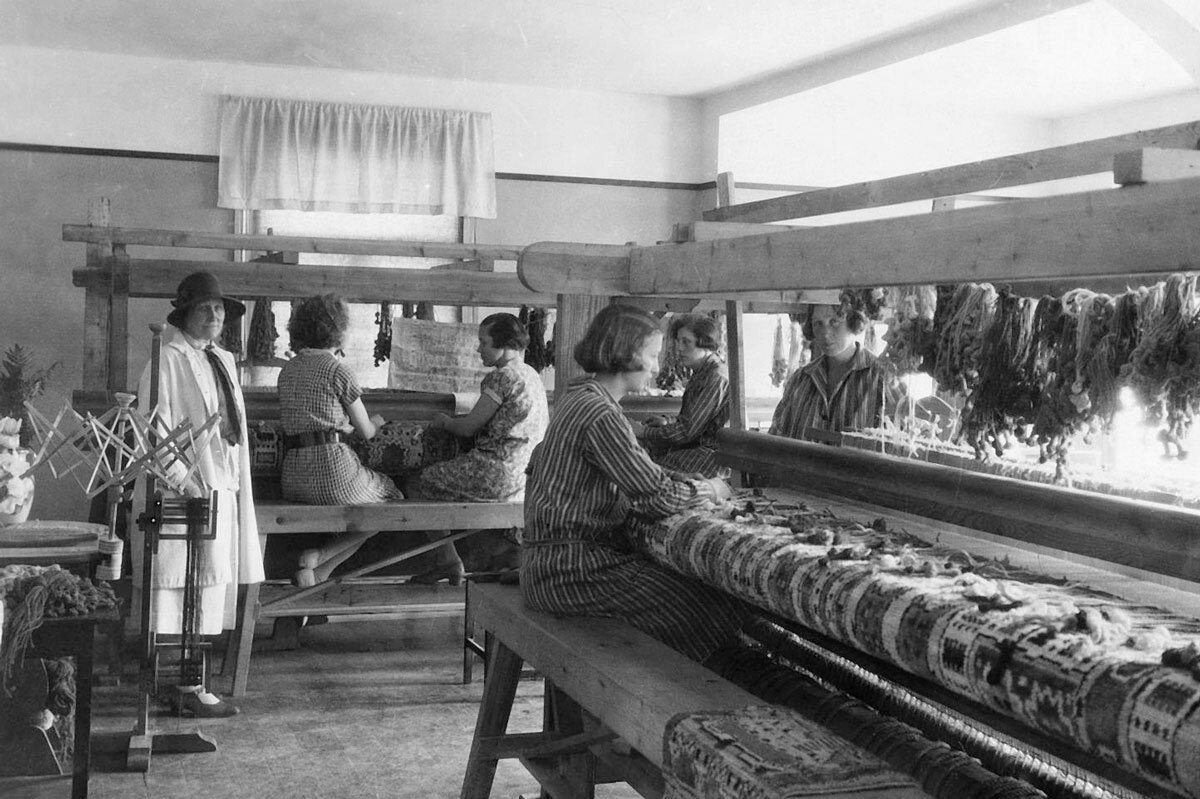
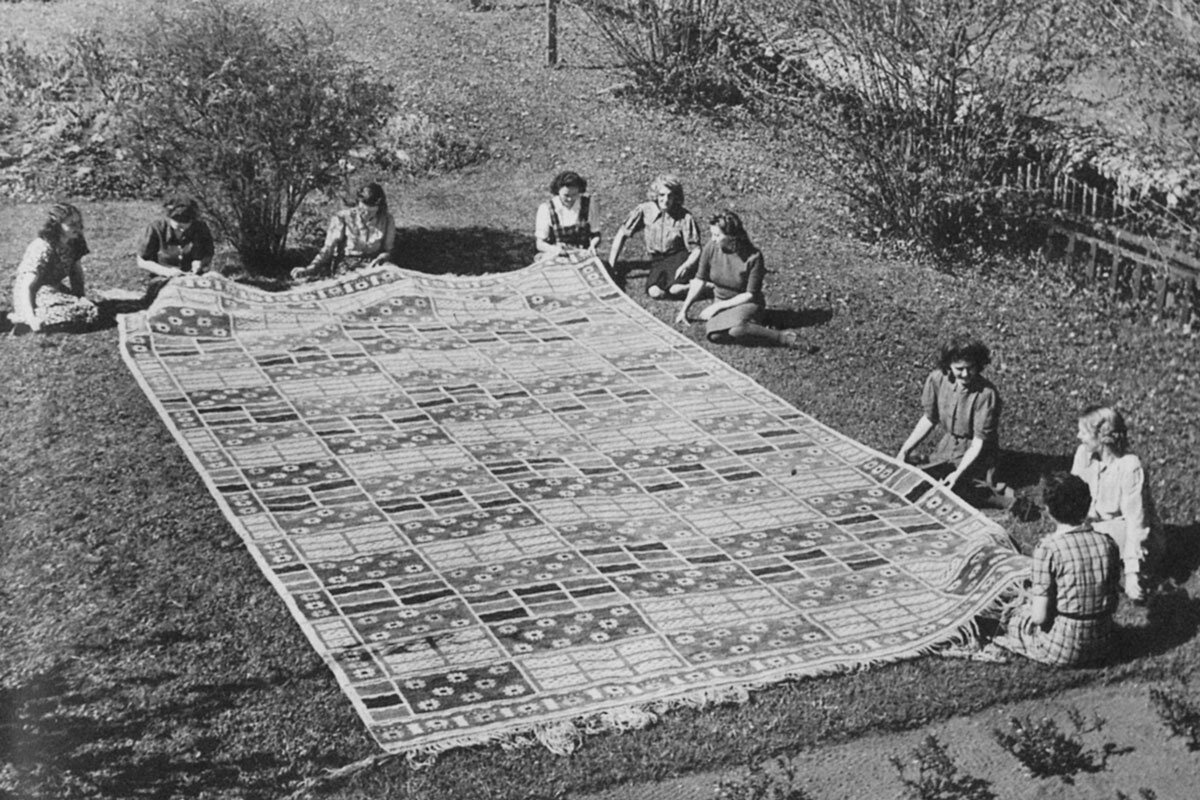
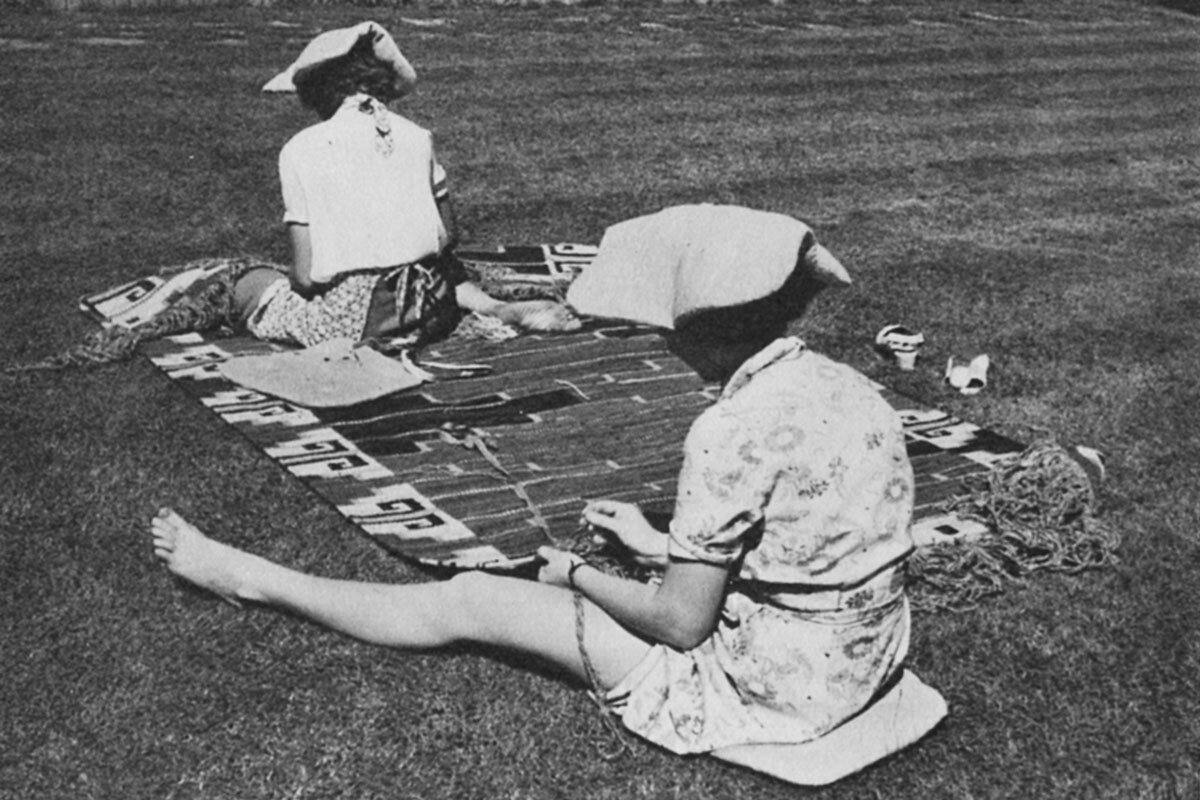
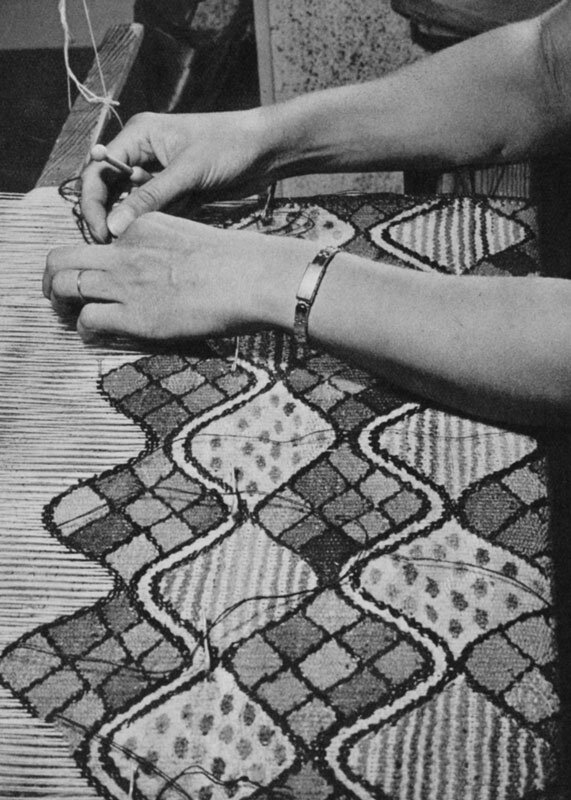
Women of the Workshop

Nader Bolour is the man behind the remarkable offerings in this sale. Bolour’s destiny was wrapped in the luxurious world of carpets. He grew up around them, his grandfather establishing Rahim Bolour & Son Carpets in Iran before the family relocated to London in 1979 where, as a boy, Bolour worked in his father’s warehouse sweeping and cleaning carpets. In 1998, just three years after establishing his presence in New York, Bolour acquired the venerable gallery Doris Leslie Blau.
The Doris Leslie Blau gallery was founded in 1965 by Doris Blau, who became a legend in the world of design for her outstanding collection of avant-garde and antique carpets from around the globe. Blau likened carpets to sculpture appreciating their tactile and sensual nature, inviting clients into a homey gallery where they could take their time in selecting the perfect carpet for their homes.
With a keen eye and wealth of knowledge, Bolour continues in the footsteps of his renowned predecessor, offering exceptional carpets as well as creating bespoke rugs that are certain to become the classics of tomorrow.


Ann-Mari Forsberg 1916–1992
Ann-Mari Forsberg (née Lindbom) was also introduced to the Märta Måås-Fjetterström workshop by Barbro Nilsson after studying under her at Konsfack, Stockholm (University of College of Arts, Crafts and Design). With simple yet imaginative patterns of contrasting shapes and playfully abstract designs, Forsberg, along with Nilsson and Richter, introduced a new vitality to the studio’s production. Forsberg became the teacher of art embroidery at Konstfack in 1953 and she is most well-known for her tapestries including the Apoteket Rosendoften (The Rose-scented Pharmacy) designed in 1964 and the Bikupan (The Beehive) designed in 1959.


119
